

News
Stay updated with the airport news
Manaus Airport is the first airport in Latin America to use a zero-emission truck for aircraft refueling
12 de Dezembro de 2022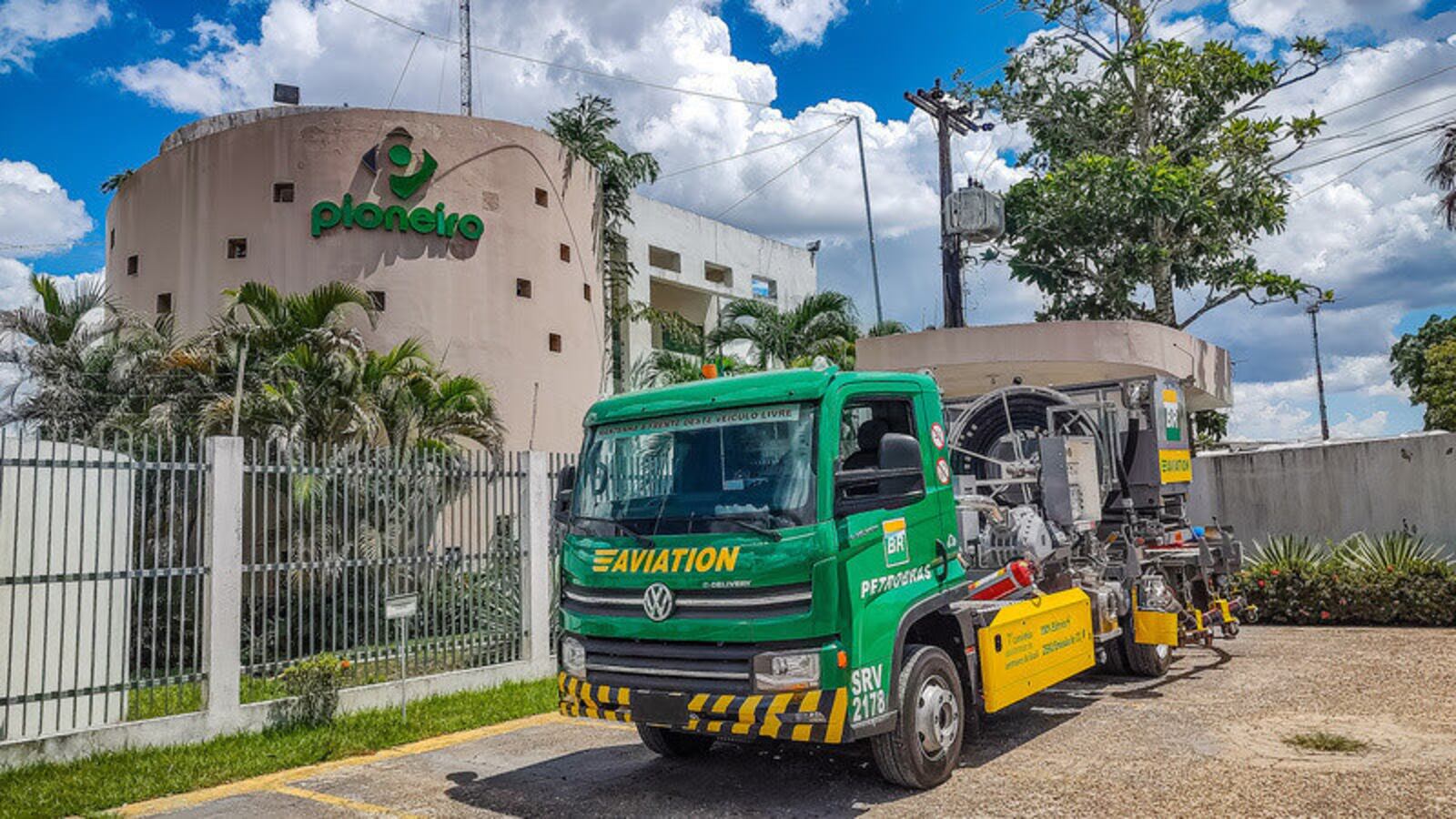
● Initiative reinforces VINCI's environmental commitment, conducting operations sustainably with a focus on environmental preservation.
● Truck started being used in December and features low maintenance and operation costs.
● Companies Pioneiro Combustíveis, BR Aviation, and Volkswagen Caminhões e Ônibus collaborated in the vehicle's manufacturing.
December, 2022 - Manaus Airport, managed by Concessionária dos Aeroportos da Amazônia, a member of the VINCI Airports network, is the first Latin American airport to use a 100% electric truck, with zero greenhouse gas emissions, for aircraft refueling. The initiative aligns with the environmental policy of the VINCI Airports network, which establishes measures aimed at reducing environmental impacts and conserving natural resources.
The vehicle, which began being used in December after a testing period, was manufactured jointly by Pioneiro Combustíveis, BR Aviation, and Volkswagen Caminhões e Ônibus. The model adopted is the e-Delivery 11, with a capacity of 11.4 tons, equipped with a traction motor with 300 kW power, three LFP battery modules with a total of 105kWh, capable of providing a range of up to 110 km. Manufactured with national components, the truck features low maintenance and operation costs.
With the use of the truck, Manaus Airport reinforces its practices aimed at environmental preservation. The entire network's environmental goal is to reduce its carbon emissions by 50% by 2030 and achieve carbon neutrality by 2050 at all airports. The airports have their operations associated with initiatives that promote the use of clean energy, waste reduction, natural resource preservation, and biodiversity maintenance.
The CEO of Concessionária dos Aeroportos da Amazônia, Karen Strougo, emphasizes: “This is just the initial step we are taking towards increasingly sustainable operations. With these important partnerships, we are confident that soon we will have more of these trucks operating in all the airports that make up the network in the Amazon. We need to take care of this region, which is so unique and rich in biodiversity.”

See our latest news
24 de Setembro de 2026
Manaus Airport Cargo highlights the logistical potential of Amazonas for the pharmaceutical industry at an event in São Paulo
27 de Agosto de 2026
Manaus Airport Cargo sets record in July with 11.6 thousand tons handled
26 de Agosto de 2026