

News
Stay updated with the airport news
VINCI Airports in Amazonas Achieve International Environmental Certification
30 de Janeiro de 2026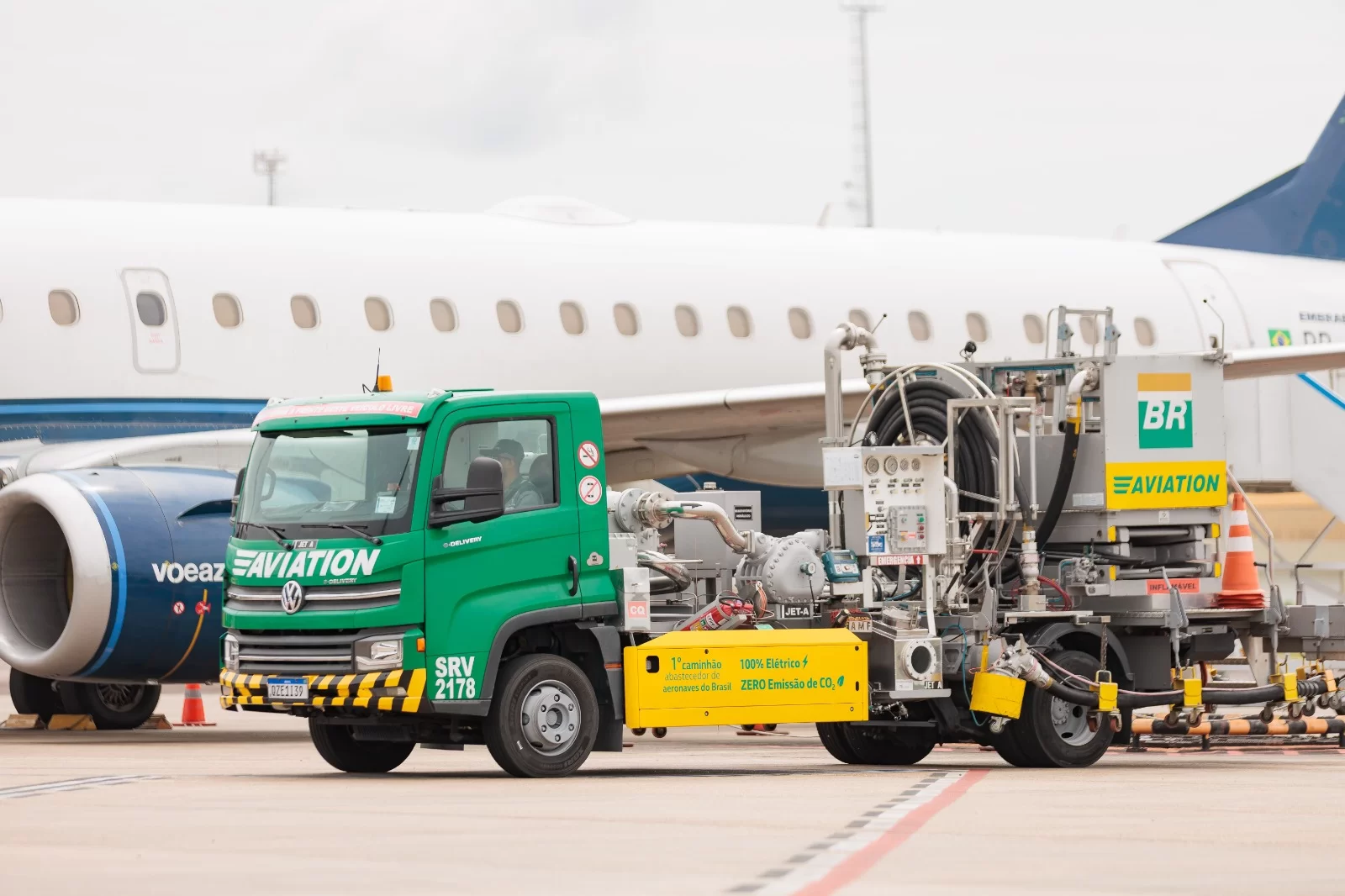
- The main international environmental certification program recognized the advances in airports in Amazonas;
- Manaus Airport is one of the first in the Northern region to reach level 3 of the ACA;
- Ensuring sustainable operations and environmental preservation is a value of the airport network.
The airports that are part of the VINCI Airports network in Amazonas had their environmental management practices recognized internationally and achieved the Airport Carbon Accreditation (ACA) certification, granted by the International Airports Council (ACI).
Manaus Airport is one of the first in Northern Brazil to reach level 3 of the certification, demonstrating significant progress in carbon management. Boa Vista, Porto Velho, and Rio Branco also reached level 3 of the ACA.
The airports of Tabatinga and Tefé are at level 1. This achievement reflects the airports' commitment to operational sustainability and environmental preservation, one of the company's core values.
To obtain Level 1 certification, it is necessary to measure the carbon footprint annually, identifying the main sources of emissions, following internationally recognized methodologies such as the GHG Protocol.
At Level 3, the requirements are more comprehensive. In addition to the emissions inventory, airports need to demonstrate structured carbon management, including a low emissions policy, reduction targets, monitoring of energy and fuel consumption, analysis of emissions from investments, internal training, audits, communication of results, and active engagement of stakeholders such as airlines, service providers, and other operators.
Main advances in Manaus
At Manaus Airport, specific initiatives drive progress towards decarbonization, such as operations using certified green energy, modernization and electrification of the fleet, including operational vehicles; and the implementation of a wastewater treatment plant with lower greenhouse gas emissions.
Main advances in Porto Velho
At Porto Velho Airport, specific initiatives drive progress towards decarbonization, including the development of carbon inventories and indicators aligned with the GHG Protocol, which allowed for precise mapping of the main emission sources and guided strategic decisions. A Carbon Management Plan was implemented, combining short, medium, and long-term actions.
There was also the modernization of refrigeration systems and the gradual replacement of conventional lighting with LED technology, as well as the use of electric tricycles for waste collection in operational areas. The airport now has a wastewater treatment plant with lower greenhouse gas emissions.
Main advances
At Rio Branco Airport, specific initiatives drive progress towards decarbonization, including the development of carbon inventories and indicators aligned with the GHG Protocol, which allowed for precise mapping of the main emission sources and guided strategic decisions. A Carbon Management Plan was implemented, combining short, medium, and long-term actions.
There was also the modernization of refrigeration systems and the gradual replacement of conventional lighting with LED technology, as well as the use of electric tricycles for waste collection in operational areas. Through an app, it is possible to manage the airport's energy consumption.
Main advances in Boa Vista
At Boa Vista Airport, specific initiatives drive progress towards decarbonization, including the development of carbon inventories and indicators aligned with the GHG Protocol, which allowed for precise mapping of the main emission sources and guided strategic decisions. A Carbon Management Plan was implemented, combining short, medium, and long-term actions.
In the field of renewable energy, Boa Vista Airport was the first in the Northern region to have a photovoltaic plant, responsible for generating 100% of the energy consumed by the airport. There was also the modernization of refrigeration systems and the gradual replacement of conventional lighting with LED technology, reducing energy consumption in operational and administrative areas.
The CEO of the Amazon Airports Concessionaire, Kleyton Mendes, highlights: “This certification is a recognition of our commitment to global best practices in sustainability. More than an operational result, this advancement strengthens collaboration with airlines, service providers, and the community, reaffirming our continuous commitment to decarbonization and building a more responsible aviation industry and a healthier future.”
The general director of ACI-LAC, Rafael Echevarne, emphasizes: "It is a great satisfaction for ACI-LAC to see the airports of the Amazon Airports Concessionaire network reaching new levels in the Airport Carbon Accreditation program. The entry of Tabatinga, Cruzeiro do Sul, and Tefé at Level 1, combined with the remarkable progress of Manaus, Porto Velho, Boa Vista, and Rio Branco to Level 3, demonstrates not only commitment but true leadership of Vinci Airports Brazil in the sustainability agenda. These achievements reflect the efforts of our partners to transform Brazilian aviation into a global reference in environmental management and response to climate change."
A reference in sustainability
Since 2022, when they began to be managed by the Amazon Airports Concessionaire, the airports of Manaus, Tabatinga, Tefé, Boa Vista, Porto Velho, Rio Branco, and Cruzeiro do Sul have received continuous improvements in energy, infrastructure, fleet, waste management, and processes, following the environmental policy guidelines of VINCI Airports. The company has set a goal to reduce emissions by 66% by 2030 and achieve Net Zero by 2050. Currently, emission reductions have already reached 77.7% in the seven airports.
The results achieved so far are the result of a broad and integrated set of technical and operational measures, supported by specific Carbon Management Plans implemented for each airport, combining short, medium, and long-term actions.
Salvador Bahia Airport, the first in the VINCI network in Brazil, was also a pioneer in the Americas, reaching level 5 of the ACA, the highest global standard for airport decarbonization.

See our latest news
24 de Setembro de 2026
Manaus Airport Cargo highlights the logistical potential of Amazonas for the pharmaceutical industry at an event in São Paulo
27 de Agosto de 2026
Manaus Airport Cargo sets record in July with 11.6 thousand tons handled
26 de Agosto de 2026